As I write, I’m sitting on a marshrutka heading down from the mountains of Svaneti towards Kutaisi, where I started my trip. For the past six days, I’ve been hiking west to east in the Caucasus from Etseri to Ushguli. Here are some of the memorable experiences I’ve had along the way…
Svan cowherds: good cop, bad cop
At the end of my first day of hiking, I was just beginning to put up my tent to wild camp for the night when I heard a shout of “gamarjoba!”. Looking round, I saw I was being greeted by a young man leading his horse down the mountain, and with it the cows from the surrounding pastures. “You’re staying the night here?”, he asked me in Russian, and I explained that I was indeed doing so in order to get a head start on the next day’s climb up to the pass. He sounded impressed, said he preferred driving to walking himself, and before I knew it he was offering me a go on his horse. I said yes (why not?) and on I got. I was given the reins and led round in a few circles before being helped down again. “My name is Kolya. It was nice to meet you!”, he said, and off down the mountain he went.
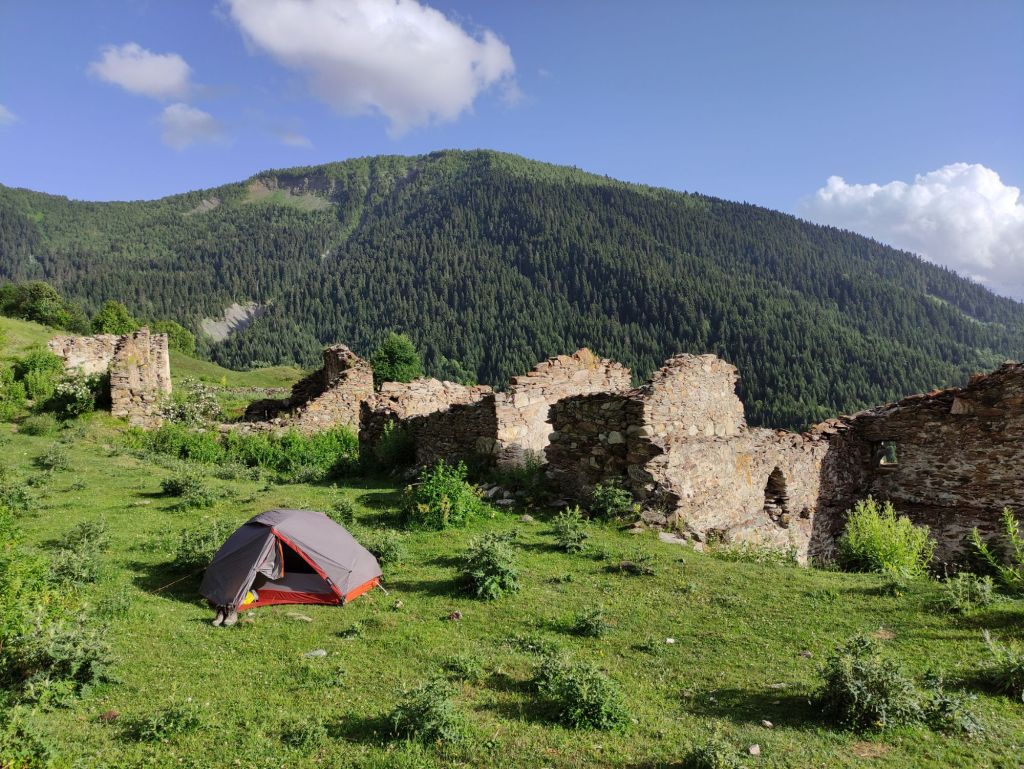
Around three quarters of an hour later, when my tent had been successfully pitched and I was inside it getting changed, there came another greeting, this time a little sterner: “Who is in there? Come out of your tent!”. Quickly getting dressed, I unzipped the door and poked my head out. Before me stood another cowherd, an older man with thick stubble, holding his horse by the reins. I somehow sensed I wasn’t going to offered a ride on this one… He questioned who had allowed me to camp on this land and told me it belonged to him. I apologised, but didn’t really know what else to say – surely he wasn’t going to make me pack up my tent all over again? Thankfully, he broke the awkward silence: “Where are you from?”. When I told him, his face suddenly lit up, and he extended a weather-worn hand towards me. His change in tone was soon explained: he had evidently decided he could make some money from me, and 30 lari (around £9) was the going rate, it seemed. I paid up, keen to avoid any further escalation, and he wished me goodnight and continued down the mountain. I got a ‘good morning’ from him the next day as he made his way back up the mountain with his cows, and then later as I set off on the climb myself, I passed his lookout point. Not yet having recognised me, he invited me warmly to sit down next to him on his bench, which I did. We talked for a while, and eventually I had to explain that I was the person he had seen the night before with the tent. A look of indignation flashed briefly across his face, but the next moment he was his lively self again, offering his horse’s services to carry me and my rucksack up to the pass. I politely refused, saying I’d like to at least try on foot, and was eventually able to get away by agreeing to add his phone number to my contacts, just in case I gave up, walked back down the mountain, and needed a guesthouse to stay in for the night. I think we parted company on relatively friendly terms…
Hair-raising rides
Towards the end of that same day, having made it over the pass (despite the cowherd’s many premonitions), I was beginning my descent towards Mestia on a dirt track. Suddenly a small white pick-up truck pulled up alongside me, and a young man leaned out of the window. “Would you like a ride down to Mestia?”, he said in perfect English, pointing to the rear of his truck. I must have looked a bit daunted at the prospect, because he immediately told me not to be scared (which in fact had the effect of making me more scared), but I thanked him, jumped in, and clung tightly to the side walls. And so down we went at some typically breakneck speeds, but both myself and the spare wheel I was sharing the ride with made it safely to the bottom. There was even a stop at a spring halfway down to fill up lots of plastic bottles, and I was invited to taste the water – naturally carbonated, again, and very refreshing at the end of a long day’s hiking!

Football celebrations
That night in Mestia, I was suddenly awoken from my deep sleep at around 1am by the sound of fireworks and of cars speeding down the main street, beeping their horns. Not yet fully conscious, I wondered what on earth could be going on…until I remembered Marika, my landlady, having told me that Georgia was playing Portugal in the Euros that night. No doubt about the result, then! A few nights later, at the end of my trek in Ushguli, Georgia played their next match, against Spain. I went to bed half expecting to be woken by more fireworks; when I woke the next morning having slept soundly, I knew not to bring up the football in conversation with any Georgians…
Tiny villages, chacha and churches
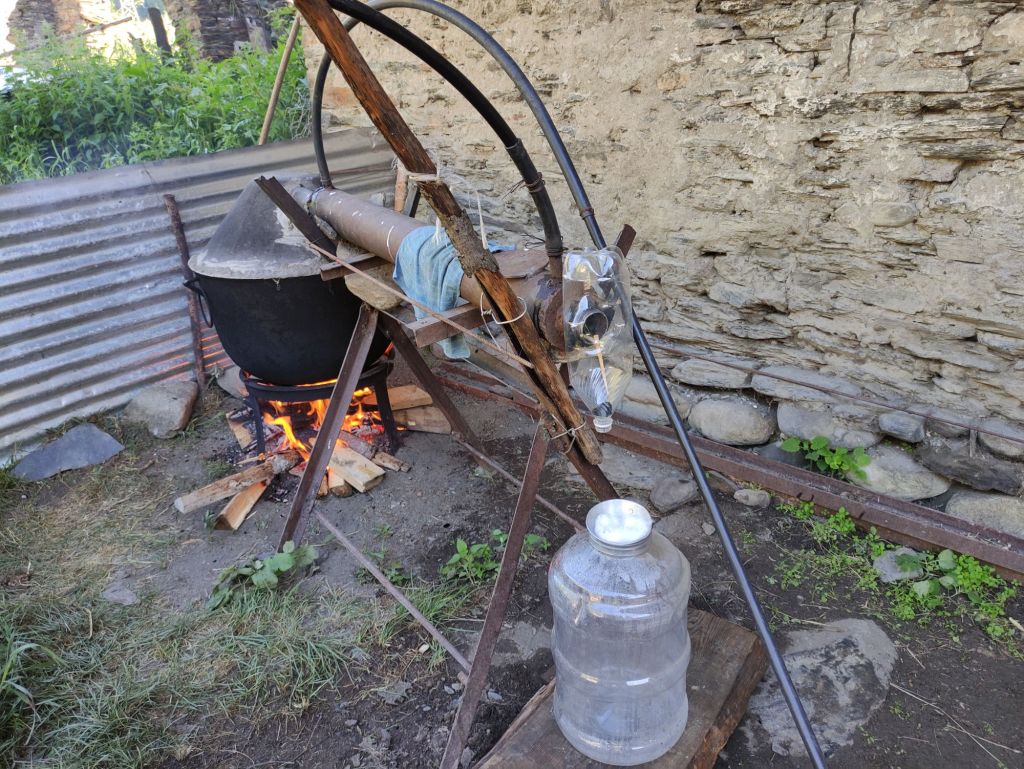
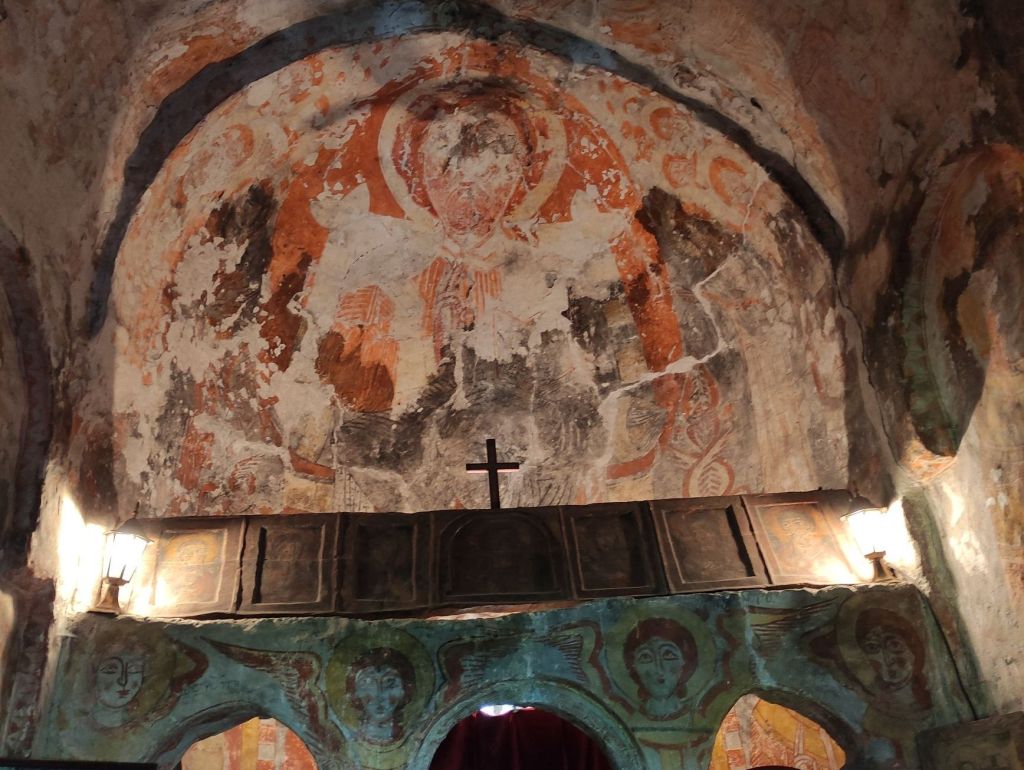
I passed through several mountain settlements on my way from Etseri to Ushguli, the smallest of which was Khe. The current population of the village is 35, but apparently it used to be bigger – most people left following a tragic avalanche in the 70s. The inhabitants are now gradually beginning to return, though, and the guesthouse I stayed in was owned by a very smiley Raul, the teacher at the village school, which has 15 pupils. I shared the dinner table that evening with French and Swedish hikers who knew English but not Russian, so I ended up as Raul’s official interpreter – my language skills were really put to the test when I had to explain the distillation process for the Georgian national spirit – chacha. The next morning, Raul showed me some chacha being made in another villager’s back yard, as well as the ninth-century village church, complete with frescoes. It being Sunday, there was a service in progress – with a total congregation of one man…
Magnificent views
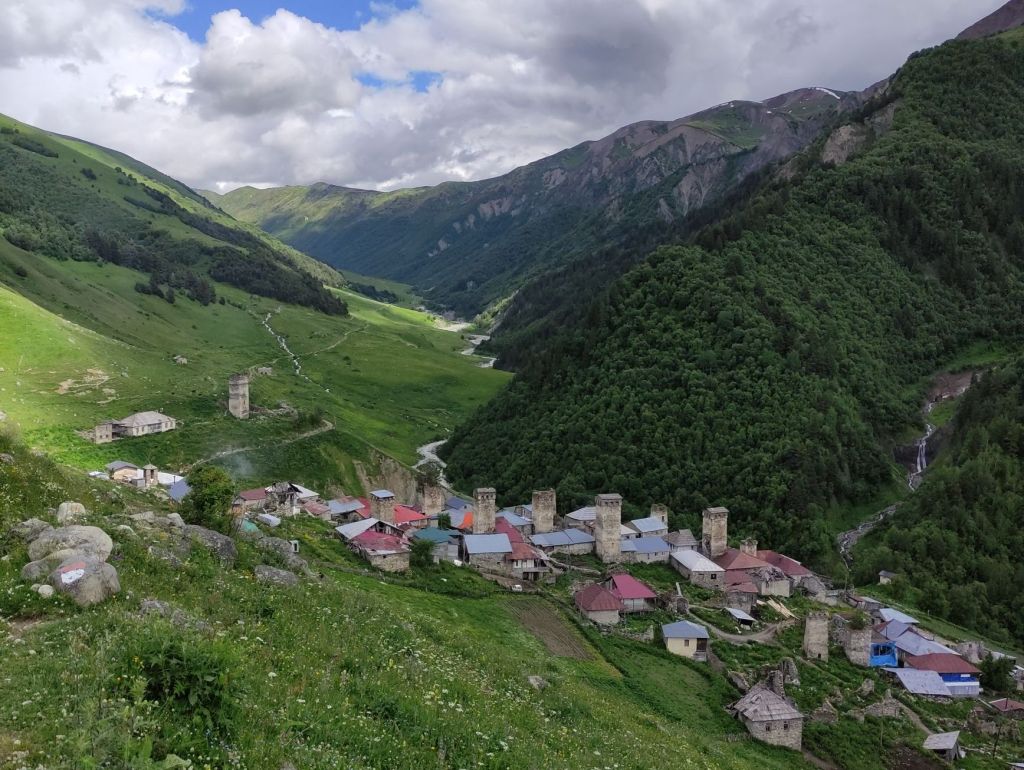
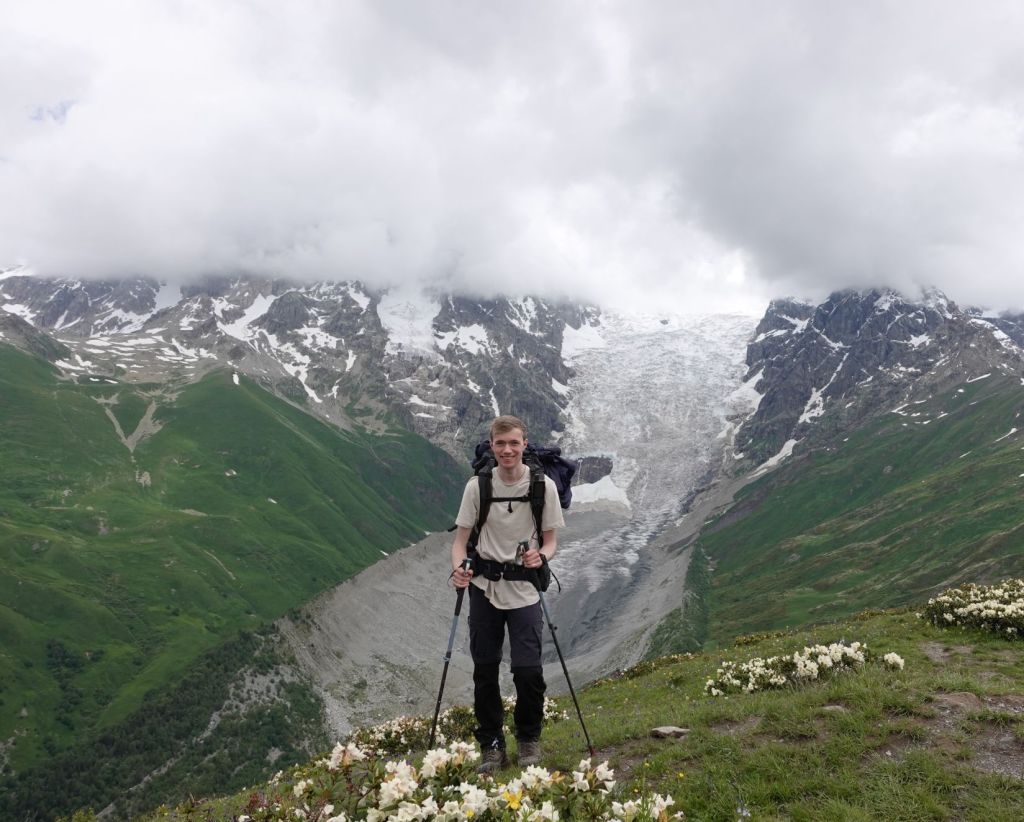
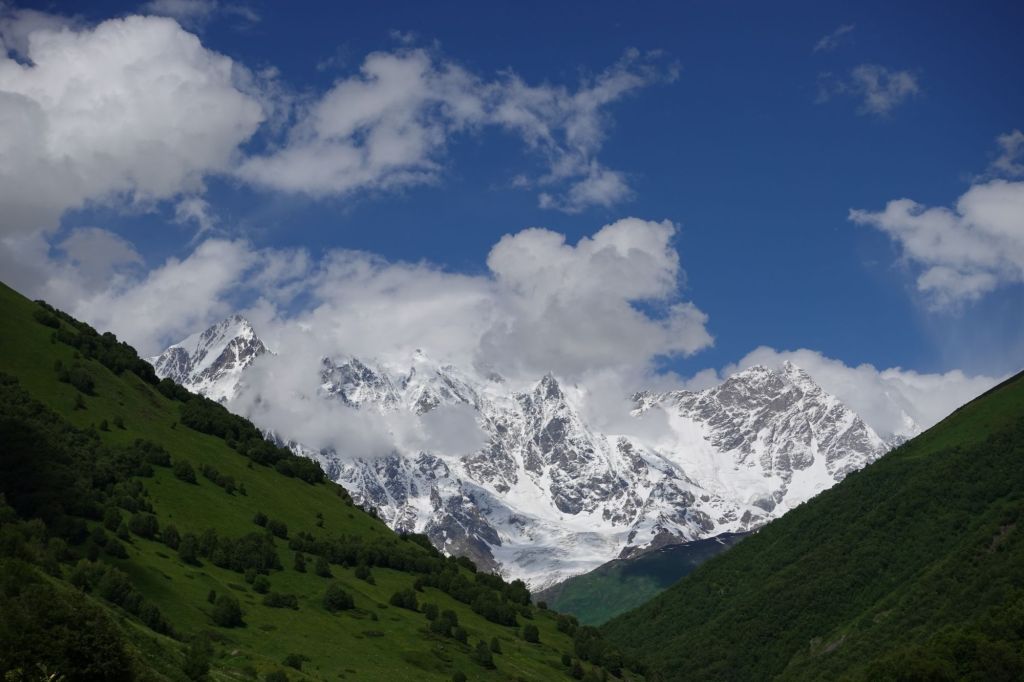
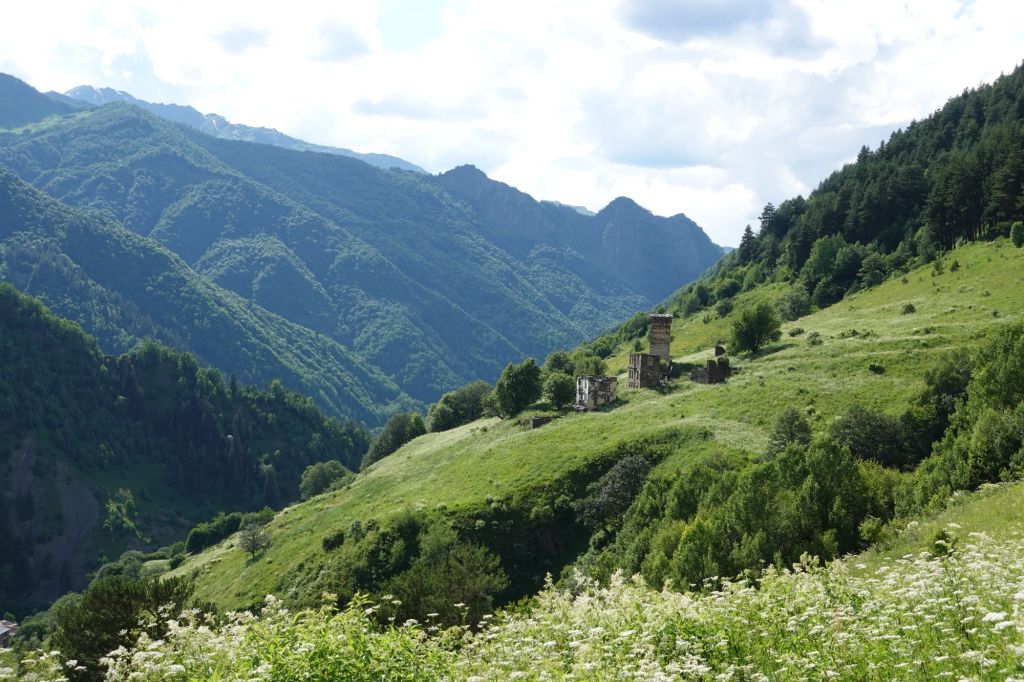
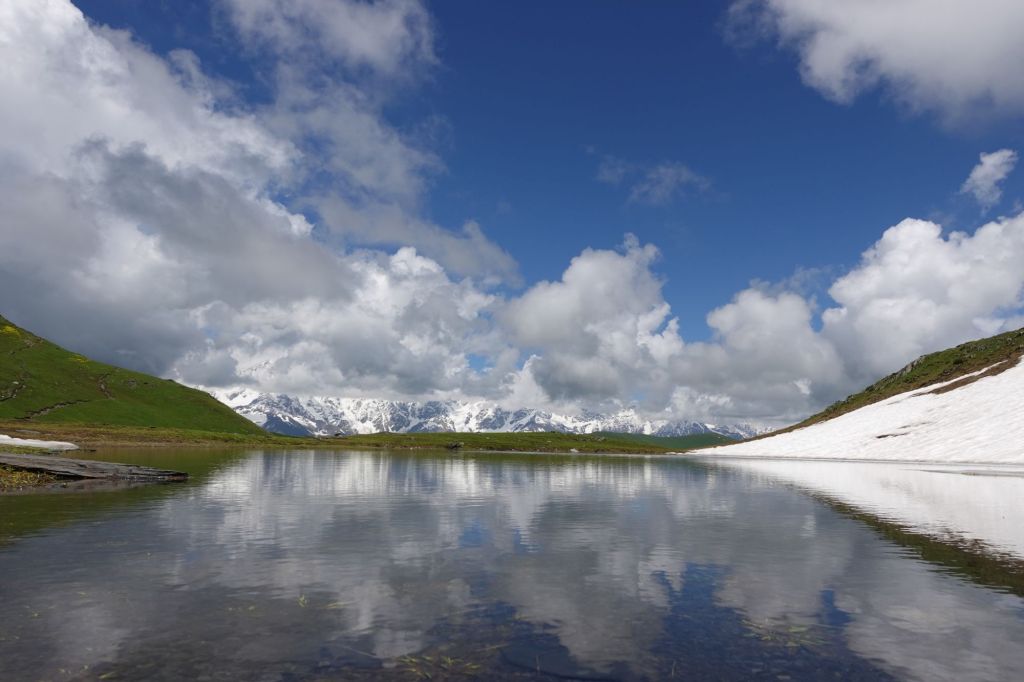
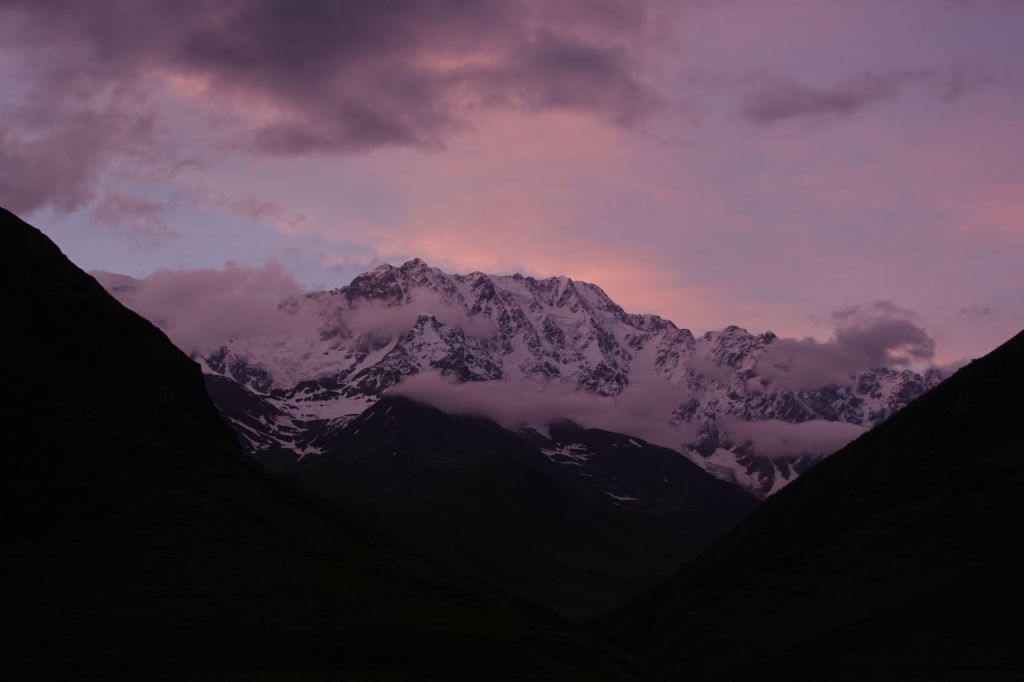
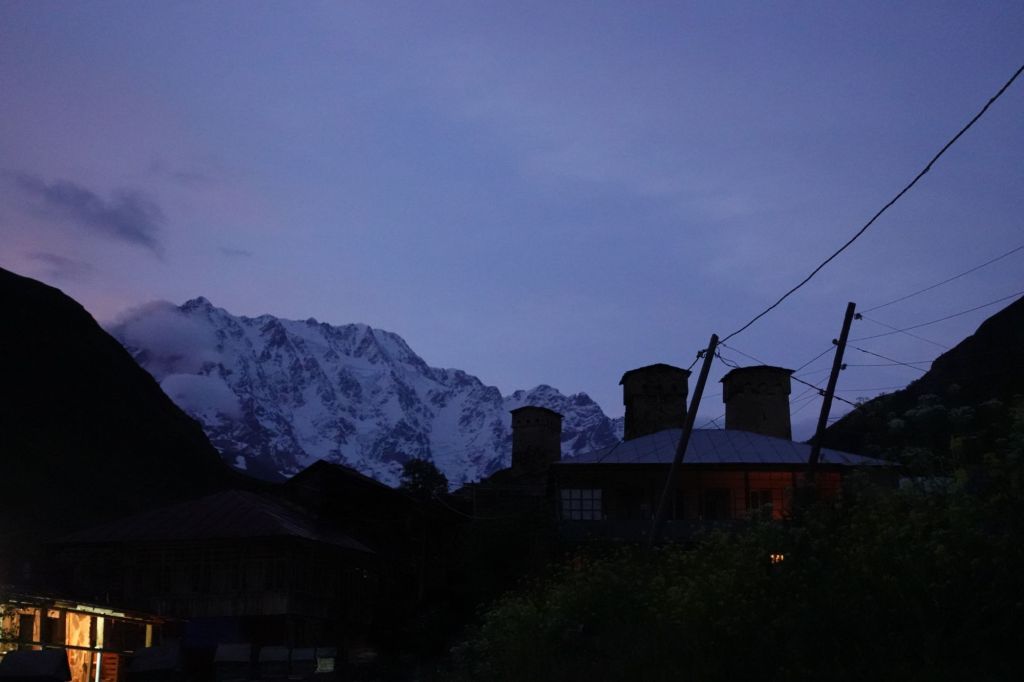
Throughout my hike, I’ve been treated to wonderful views of the surrounding mountains. My favourite day was the last, when I climbed up and along the main Svaneti ridge, which separates Upper Svaneti from Lower Svaneti, which meant I had a panorama of the Greater Caucasus most ot the day. Georgia certainly seems to have got its natural defences against Russia sorted here! And just make extra sure, the villages of Svaneti are full of historical defensive towers, designed to serve as living quarters, animal barns, and as protection in case of attack. Although Svans no longer live in these towers, many of them have been restored. In Ushguli, the end point of my trek and one of the highest villages in Europe at 2,100m altitude, these towers are protected by UNESCO.
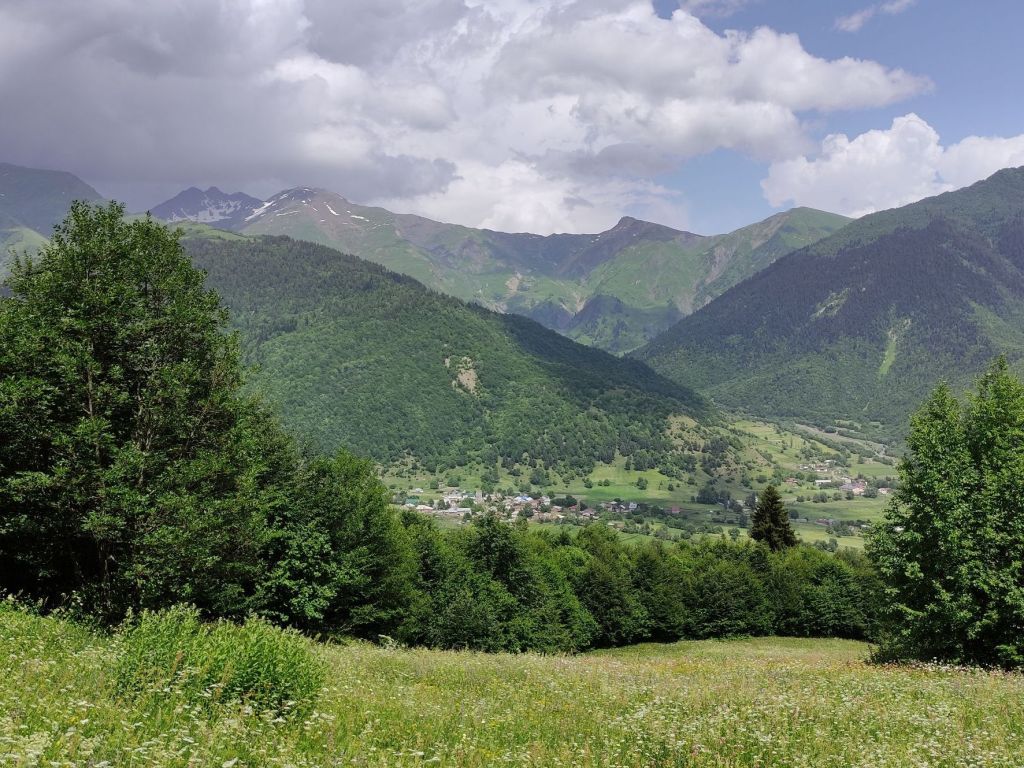

I’ll be gradually making my way east across Georgia over the next few days, heading for another, more remote, mountainous region called Tusheti. The adventure continues!

 Our man in...
Leave a comment